Solar Panels in Sialkot: A 2026 Rooftop Guide for Homes and Factories
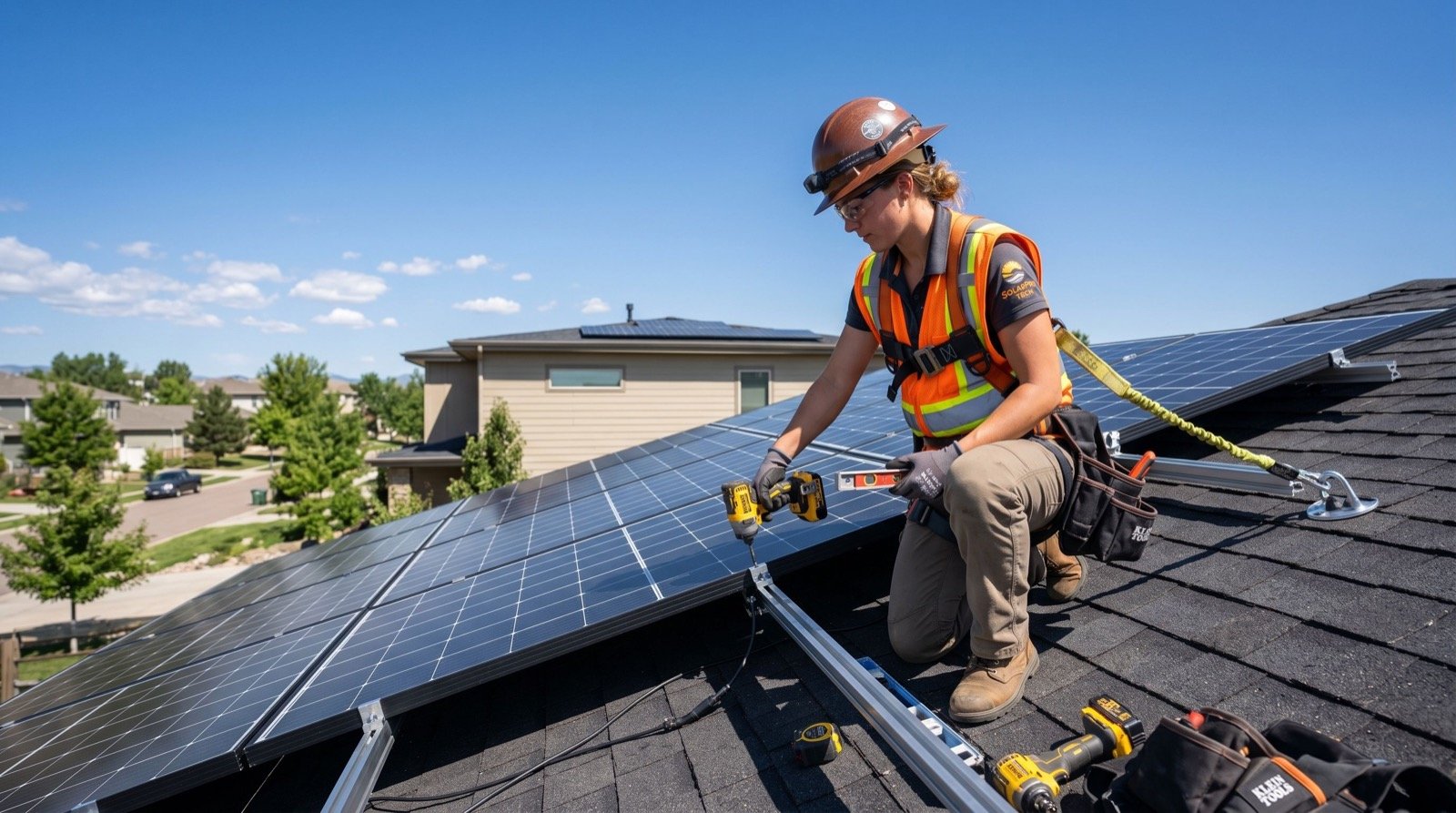
Choosing solar panels in Sialkot has become one of the smartest money decisions a household or exporter can make in 2026. Grid tariffs keep climbing, load-shedding still bites during peak summer, and the city’s long sunny spells make rooftops a genuinely productive asset. Whether you run a surgical-instrument unit near Wazirabad Road or simply want to cut a painful monthly bill at home, this guide walks you through sizing, costs, and the practical steps that actually matter.
Sialkot sits in a belt that receives strong irradiation for most of the year, which means a well-designed array pays for itself faster than many owners expect. Below we break down the real numbers for 2026, the climate quirks you should plan around, and how to avoid the common mistakes that quietly waste money.
Why Solar Panels in Sialkot Make Sense in 2026
Sialkot is an export engine. Factories here run compressors, buffing machines, and lighting through long shifts, and every rupee of diesel or grid power eats into margins. Rooftop solar flips that equation by turning idle roof space into generation capacity.
For homes, the logic is similar but simpler. A typical household bill in the 30,000–60,000 PKR range can shrink dramatically once a correctly sized system carries daytime loads and feeds surplus back under net metering. Pakistan’s regulator NEPRA continues to support net metering for distributed generation, which lets you bank daytime units against evening consumption. You can review the official framework directly on the NEPRA website.
Demand for solar panels in Sialkot has surged as both residential and industrial users look for stable, long-term energy costs. The city’s dense cluster of manufacturing units means local installers have refined designs specifically for high-duty-cycle roofs, which benefits homeowners too. In practice, that accumulated local experience translates into cleaner installs and faster net-metering approvals.
The climate advantage
Punjab’s Sialkot enjoys high solar yield, but summers are humid and dusty. That matters because dust films on glass can clip output by several percent if panels are never cleaned. Factor a light rinse into your routine and the array holds its rated performance far better.
How Much Do Solar Panels in Sialkot Cost?
Pricing in 2026 depends on panel tier, inverter brand, and whether you add batteries. The table below gives honest ballpark ranges for on-grid residential systems in the Sialkot market. Treat these as planning figures, then get a site survey for a firm quote.
| System size | Typical home/shop | Est. 2026 cost (PKR) | Rough payback |
|---|---|---|---|
| 5 kW | 2–3 bed house | 850,000 – 1,050,000 | 3–4 years |
| 10 kW | Large home / small shop | 1,600,000 – 2,000,000 | 3–4 years |
| 15 kW | Clinic / small unit | 2,300,000 – 2,900,000 | 3.5–4.5 years |
| 25 kW+ | Factory floor | 3,800,000+ | 3–5 years |
On-grid systems are cheapest because they skip batteries. If you need backup during outages, a hybrid inverter with a modest lithium bank adds cost but keeps critical loads alive. For export units that cannot stop production, that resilience is often worth it.
What drives the price up or down
- Panel efficiency: Tier-1 mono PERC and newer N-type modules cost more per watt but generate more on the same roof.
- Inverter quality: A reputable string or hybrid inverter protects your whole investment, so do not cut corners here.
- Mounting structure: Hot-dip galvanised rails survive Sialkot’s humidity far longer than painted steel.
- Cabling and protection: Proper DC breakers, surge protection, and earthing are not optional extras.
Sizing Your System the Right Way
The single biggest mistake is guessing. Instead, follow a short, disciplined process so your array matches real consumption rather than a salesman’s round number.
- Collect twelve months of electricity bills and note your monthly units (kWh).
- Find your average daily consumption and your peak-season spike.
- Divide daily kWh by Sialkot’s usable sun-hours (roughly 4.5–5) to estimate the kW you need.
- Add a 15–20% margin for dust, ageing, and future load growth.
- Confirm your roof has enough shade-free, south-facing area for that array.
This method prevents both under-sizing, which leaves you still buying expensive grid units, and over-sizing, which wastes capital you will never recover under current net-metering buy-back rates.
Does Rooftop Solar Work as Well in Other Cities?
Yes, and understanding regional differences helps you benchmark your own project. Balochistan, for example, has some of the highest irradiation in the country, so owners installing solar panels in Quetta often see excellent yields despite colder winters that actually improve panel efficiency. Sialkot’s humidity trims output slightly compared with arid zones, but the city’s strong summer demand means savings per installed kW remain very attractive.
Globally, solar remains the fastest-growing power source. The International Energy Agency reports that solar PV additions continue to break records year after year, which keeps module prices competitive for buyers in Pakistan.
Choosing an Installer You Can Trust
Hardware is only half the job; workmanship decides whether your system lasts 25 years or fails in three. Look for installers who provide a proper load analysis, structural assessment, and a clear net-metering application plan with your DISCO.
A good company handles the paperwork, commissioning, and after-sales service without disappearing. If you want a shortlist of dependable specialists and useful planning resources, start with verified local reviews and ask for recent reference sites you can actually visit.
Red flags to avoid
- Quotes without a physical site survey.
- No written warranty on panels, inverter, and workmanship.
- Vague answers about net-metering approval timelines.
- Prices that seem impossibly low, usually hiding B-grade panels.
Frequently Asked Questions
How long do solar panels in Sialkot last?
Quality Tier-1 panels carry performance warranties of 25 years or more and typically keep producing well beyond that at reduced output. Inverters usually need replacement around year 10–12.
Will solar work during load-shedding?
A standard on-grid system shuts off during outages for safety. If uninterrupted power matters, choose a hybrid system with batteries so essential loads keep running.
How much maintenance is required?
Very little. Rinse the panels every few weeks during dusty, dry spells and have a technician inspect connections once a year. That is usually enough to protect output.
Is net metering worth applying for?
For most homes and businesses, yes. Exporting surplus daytime units offsets your evening grid usage and shortens payback, especially as tariffs keep rising through 2026.
Final Thoughts
Installing solar panels in Sialkot in 2026 is less about chasing a trend and more about locking in predictable energy costs for the next two decades. Size the system around your real bills, insist on quality hardware, and pick an installer who stands behind the work. Do that, and your roof becomes one of the most reliable investments you own. Ready to cut your bill? Request a free site survey and a tailored quote today.